The latest findings from Sport England’s Active Lives Survey 2024–25 provide a decade of insight into adult physical activity levels, highlighting ongoing inequalities and the factors that influence participation across the Humber.
First launched in November 2015, the Adult Active Lives Survey has now been collecting data for ten years, helping to build a clearer picture of physical activity trends and the barriers people face when it comes to leading active lifestyles.
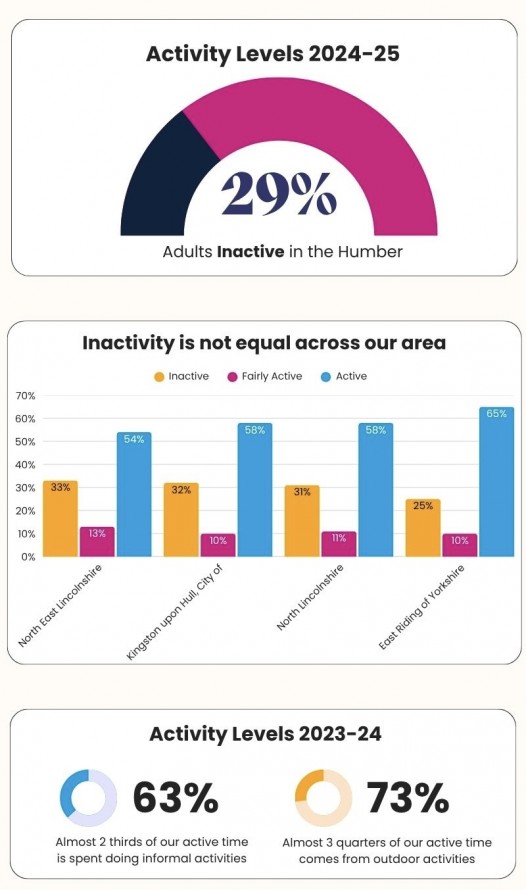
The latest data shows that adult inactivity across the Humber averages 29%.
Adults with a limiting illness experience the highest inactivity rate, at 45%, highlighting the additional barriers this group may face when accessing opportunities to be physically active. In comparison, adults aged 16–34 have the lowest inactivity rate, at 21%.
These differences demonstrate the importance of understanding how individual circumstances can influence physical activity levels and ensuring that opportunities to get active are accessible to everyone.
The survey also highlights how wider demographic and economic changes are contributing to inequalities in physical activity.
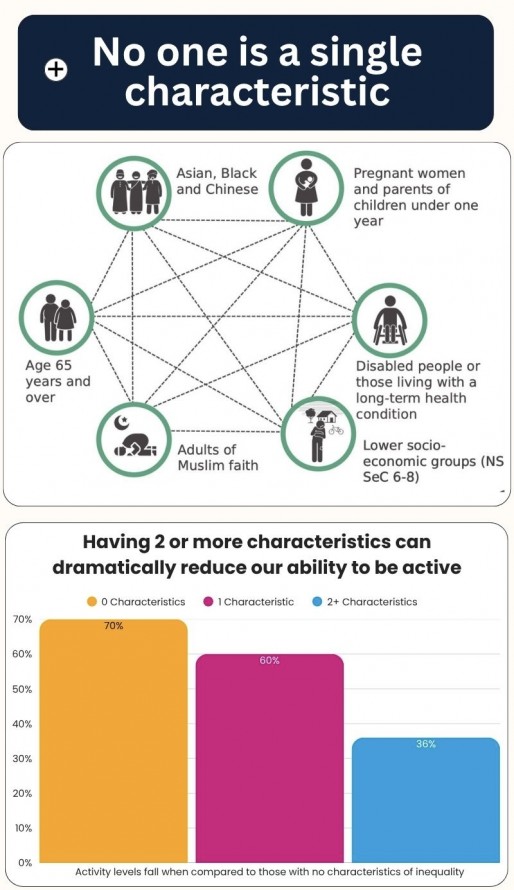
Populations are growing, ageing and becoming more diverse, while the shift towards an older population means more people are entering age groups that are more likely to experience inactivity. At the same time, economic pressures are pushing more people into lower-income brackets, where inactivity is also more common.
Looking at these factors together is essential to understanding why some people are less active than others. The survey’s inequalities metric considers multiple characteristics associated with lower activity levels, rather than examining each characteristic in isolation.
By taking this broader approach, Active Humber can better understand the overlapping barriers people face and help inform efforts to reduce inequalities and support more people to become physically active.
The findings reinforce the importance of targeted, inclusive approaches that recognise the different needs and circumstances of communities across the Humber.