
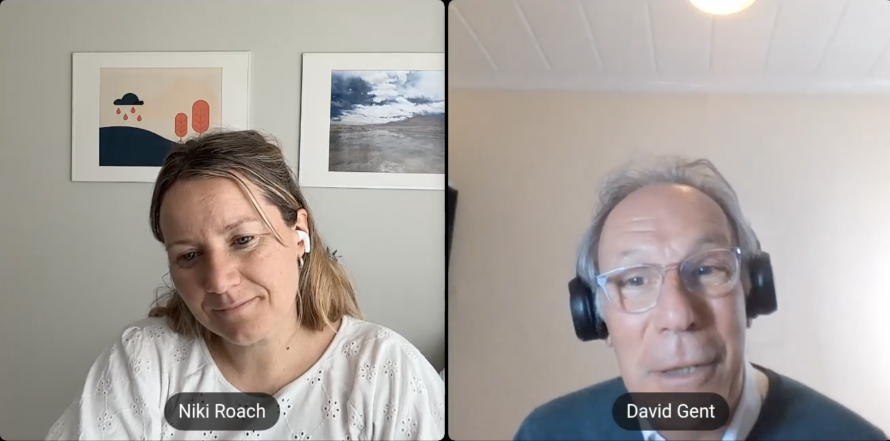
He shares the bigger role sport can play in both reducing the impact of climate change on communities and helping them prepare for the effects of increased flooding and drier summers.
In the podcast he explains the best places grassroots organisations can go to get help, know the risks and what they can do to combat them. The two resources are from Sport England and they prioritise how sports clubs can improve.
They are:
Climate change does not affect every community equally. Across the Humber, some of the communities facing the greatest challenges are also those experiencing the highest levels of inactivity and deprivation.
These communities can be more vulnerable to flooding, extreme heat and other impacts of climate change, making it even more important that climate action is inclusive and considers the needs of those most at risk.
In the interview, David highlights the importance of accessible green spaces and the role that community sports facilities can play in supporting people.
One example is West Hull Amateur Rugby League Club, which operates a warmth hub during the winter. For people who may struggle to afford heating in their own homes, the club provides a warm and welcoming place where they can spend time and connect with their community.
Active Humber will also continue to work with the four local authorities across the Humber to support active travel and create communities where people can walk and cycle more easily. This is particularly important for women and girls, many of whom do not always feel safe travelling actively within their local communities.
Creating safer, greener and more accessible places is an important part of encouraging people to become more active.
As David explained, the ambition is not simply to make the least active more active, we also need to create places that are sustainable, inclusive and welcoming, giving people the opportunity and confidence to get involved.
It demonstrates how sports facilities can be much more than places to play sport they can become important community assets that help people through difficult circumstances.
The scale of the climate challenge facing the region is significant.
As David highlighted during the podcast: “37% of the UK's industrial carbon emissions are produced in the Humber.”
That makes the Humber a critical area of focus when it comes to tackling climate change and reducing carbon emissions.
David also shared a striking comparison involving two Kingstons, Kingston upon Thames and Kingston upon Hull: “There are two Kingstons, one on the River Thames and one on the River Hull. Even if we manage to get a 1% increase year on year on the River Hull it will take us 32 years to catch the one on the River Thames, assuming the Thames stays the same.”
The message is clear: there is significant potential for the Humber to improve, but meaningful change will require sustained action and collaboration.
At Active Humber, we want to work collectively and in an integrated way with partners across the Humber, using sport as a way to bring people together and create positive change.
37% of the UK's industrial carbon emissions are produced in the Humber. So if there's somewhere to focus, it's the Humber.


